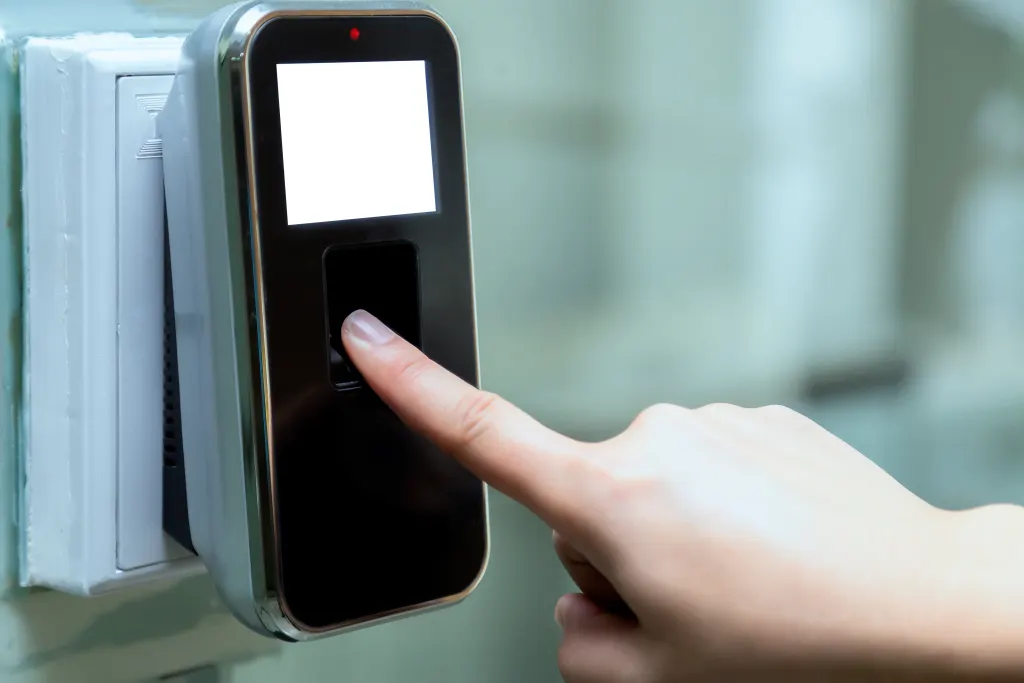
Buddy punching — one employee clocking in for another — gets all the attention, but it is only the most obvious form of attendance fraud. The quieter variants add up just as fast, and most manual or PIN-based systems cannot catch any of them.
The fuller picture of time theft
- Buddy punching: a colleague clocks an absent worker in or out
- Time padding: rounding a 9:12 arrival to 9:00, repeated daily
- Ghost workers: people on the payroll who do not actually show up — or do not exist
- Extended breaks: long lunches and breaks logged as worked time
- Early clock-out, late clock-in: minutes shaved off each shift
None of these require bad intent on a large scale. A few padded minutes per person per day across a big workforce becomes a serious annual cost.
Why manual systems cannot stop it
Cards, fobs and PINs verify a credential, not a person. Anyone holding the card or knowing the PIN can clock in. Spreadsheets and paper sheets are edited after the fact with no audit trail. The system has no way of knowing who actually stood at the clock.
How biometrics closes the gaps
Biometric verification ties every clock event to a specific, present person. A face or contactless fingerprint cannot be lent to a colleague, so buddy punching and ghost workers disappear. Exact timestamps remove padding, and a complete audit log makes after-the-fact edits visible. NCheck adds liveness checks so a photo or video cannot fool the camera.
The payoff
Eliminating attendance fraud is rarely about catching wrongdoers — it is about removing the temptation and the grey areas entirely. When everyone clocks in the same fair, verifiable way, payroll reflects reality and trust between staff and management improves.